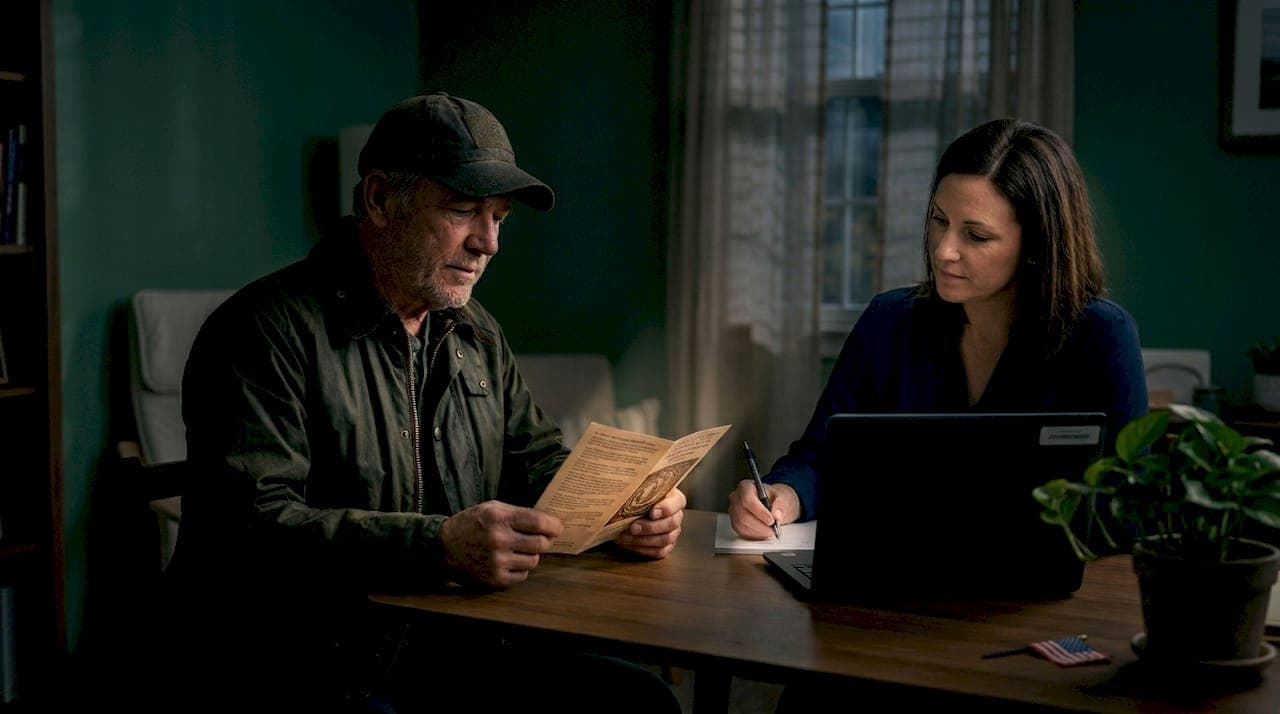
Understanding how VA substance abuse treatment works can be the difference between a veteran suffering in silence and actually getting help. About 11% of veterans meet clinical criteria for a substance use disorder, yet many never seek care because they assume the VA system is too complicated, too slow, or simply not for them. That assumption costs lives. This guide breaks down eligibility, treatment types, what to expect during recovery, and the community resources that make the VA's approach more effective than most people realize.
Table of Contents
- Key takeaways
- How VA substance abuse treatment works: eligibility and enrollment
- Treatment options available through the VA
- What to expect during the VA addiction recovery process
- Support services that strengthen recovery
- My take on what actually helps veterans get through this
- Discover benefits you may be missing
- FAQ
Key takeaways
| Point | Details |
|---|---|
| Enrollment opens the door | Veterans must enroll in VA healthcare to access most substance abuse treatment programs. |
| Multiple treatment levels exist | Options range from outpatient counseling to residential rehab, with stays averaging around six weeks. |
| Community care fills the gaps | Veterans more than 30 minutes from a VA clinic may qualify for local providers paid by the VA. |
| Co-occurring conditions are treated together | VA programs address PTSD, trauma, and addiction simultaneously rather than in isolation. |
| Support goes beyond clinical care | Housing, peer support, and crisis services are integrated into the VA addiction recovery process. |
How VA substance abuse treatment works: eligibility and enrollment
Before any treatment begins, you need to get into the VA healthcare system. Enrollment is the gateway, and the process is more accessible than many veterans expect. You can enroll online at VA.gov, by phone, or in person at any VA medical center. Most veterans who served on active duty and were discharged under conditions other than dishonorable qualify for VA healthcare, which includes substance abuse services.
Once enrolled, you do not need a separate application to access addiction treatment. Your primary care provider or a VA mental health clinician can refer you directly into substance abuse programs. The key eligibility factors for specialized substance use services include:
- Active VA healthcare enrollment with a documented clinical need for substance use treatment
- Discharge status that is honorable, general under honorable conditions, or in some cases other than honorable
- Geographic eligibility for Community Care if you live more than 30 minutes from the nearest VA clinic, which opens access to local non-VA providers paid by the VA
- Annual reauthorization for Community Care, meaning your provider relationship must be renewed each year to maintain coverage
- Vet Center eligibility for combat veterans and military sexual trauma survivors who want counseling without formal VA healthcare enrollment
That last point is worth emphasizing. 300 Vet Centers nationally offer accessible, community-based counseling for eligible veterans, no enrollment required. If the idea of navigating VA bureaucracy feels overwhelming, a Vet Center is often the fastest path to getting support.
Pro Tip: If you are unsure whether you qualify, call 1-800-827-1000. A VA benefits specialist can confirm your eligibility in a single call, often within minutes.
Treatment options available through the VA
The VA healthcare system serves about 9 million veterans across more than 1,700 care sites, making it the largest integrated mental health network in the country. That scale means genuine variety in treatment options. Here is how the main program types compare:
| Treatment type | Setting | Best suited for |
|---|---|---|
| Outpatient counseling | Clinic or telehealth | Mild to moderate use disorders, working veterans |
| Intensive outpatient program (IOP) | Clinic, several days per week | Moderate disorders requiring structured support |
| Medical detoxification | Inpatient or supervised | Physical dependence requiring safe withdrawal |
| Residential rehabilitation | VA facility, live-in | Severe disorders, unstable home environments |
| Medication-assisted treatment (MAT) | Outpatient with prescriptions | Opioid and alcohol use disorders |
| Specialty co-occurring programs | Inpatient or outpatient | Veterans with PTSD, trauma, or mental health diagnoses alongside addiction |
Every treatment plan is individualized. A veteran dealing with opioid dependence and combat-related PTSD will follow a very different path than someone managing alcohol use disorder without a co-occurring diagnosis. Treatment programs tailored for military sexual trauma and trauma therapies like EMDR consistently produce better outcomes than generic addiction programs, which is why the VA's specialty tracks exist.
One important detail: if your local VA facility does not offer a specific specialty program, you are not out of options. Community Care can cover specialty needs when they are documented as medically necessary and unavailable locally. Ask your VA provider to document that need in writing. That documentation is what unlocks community-based funding.
Pro Tip: Request a copy of your treatment plan in writing at your first appointment. Knowing exactly what programs you are enrolled in and what the goals are gives you leverage to advocate for changes if something is not working.
What to expect during the VA addiction recovery process
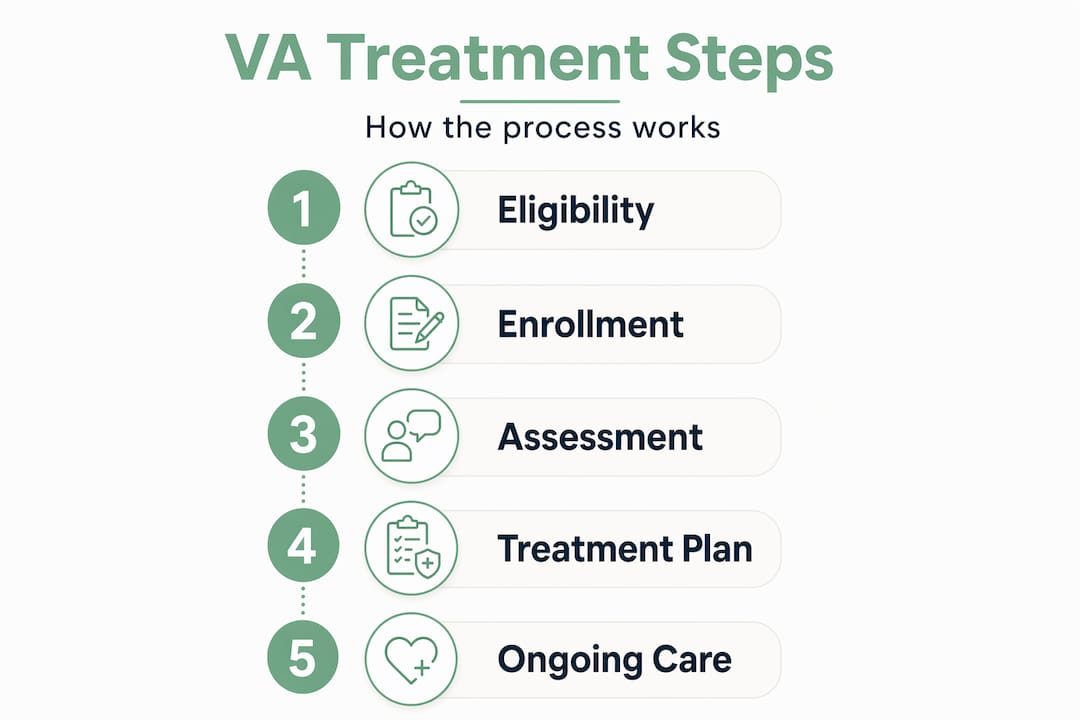
The VA addiction recovery process follows a structured path, but it is not rigid. Here is a realistic picture of what happens from your first contact to active treatment:
-
Initial contact and screening. You call your VA facility or walk in requesting mental health or substance use services. A clinician conducts a brief screening to assess severity and immediate safety needs. This is not an interrogation. It is a clinical conversation.
-
Comprehensive assessment. A licensed counselor or psychiatrist conducts a full biopsychosocial assessment. This covers your substance use history, mental health status, medical conditions, housing situation, and social support. It typically takes one to two hours and directly shapes your treatment plan.
-
Treatment plan development. You and your care team agree on a plan together. This includes treatment modality, frequency of sessions, medication options if applicable, and recovery goals. Your input matters here. Speak up about what has or has not worked before.
-
Active treatment. Depending on your plan, this might mean weekly outpatient sessions, an intensive outpatient schedule, or admission to a residential program. Inpatient rehab stays average about six weeks, though shorter and longer stays are common based on individual progress.
-
Case management and coordination. A case manager tracks your progress and coordinates between your medical providers, counselors, and any external support services. This is the person to contact if something falls through the cracks.
-
Ongoing evaluation. Treatment is not static. Your plan gets reviewed regularly, and adjustments happen based on how you are responding. Progress is measured, not assumed.
One thing that stops veterans from starting this process is fear of stigma. Stigma remains the primary barrier, especially for National Guard and Reserve members. What most veterans do not know is that VA substance abuse treatment records carry strong confidentiality protections. Your employer does not find out. Your unit does not find out. The process is between you and your care team.
Support services that strengthen recovery
Clinical treatment alone rarely produces lasting recovery. The VA knows this, which is why veteran substance use services extend well beyond therapy sessions and medication.
-
Housing and domiciliary care. Homeless veterans are 2 to 6 times more likely to experience severe substance use and mental health disorders. The VA's domiciliary programs provide residential care that combines housing stability with active treatment, directly reducing relapse risk for veterans without safe living situations.
-
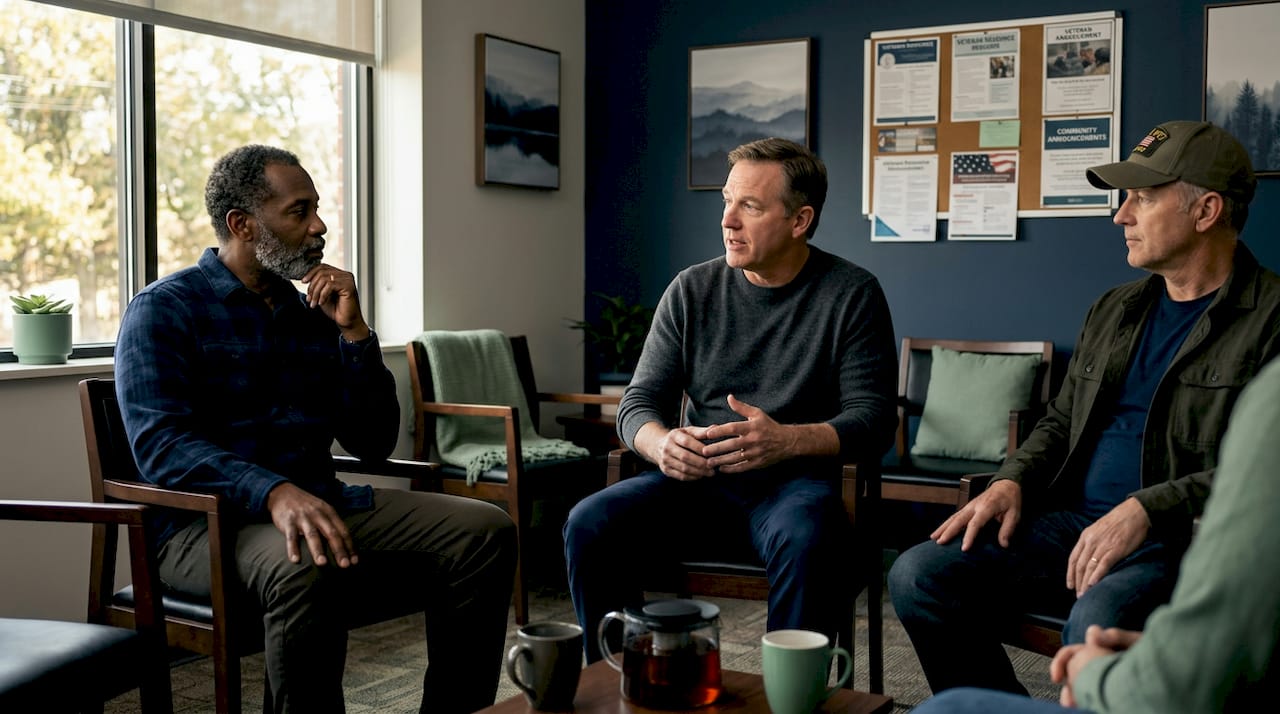
Veterans Crisis Line. Available 24 hours a day, seven days a week, the Veterans Crisis Line is confidential and does not require VA enrollment. Dial 988 then press 1, or text 838255. Families can use it too.
-
Peer support specialists. These are veterans in recovery who work within VA facilities to provide lived-experience guidance. Peer support is not therapy, but it fills a gap that clinical care cannot. Talking to someone who has been through the same system, the same struggles, and come out the other side carries a different kind of weight.
-
Family and caregiver programs. The VA's Program of Comprehensive Assistance for Family Caregivers provides stipends, mental health services, and respite care for caregivers of eligible post-9/11 veterans. Recovery does not happen in isolation, and the VA increasingly recognizes that family involvement improves outcomes.
-
Nonprofit and community partnerships. Organizations coordinated through platforms like Vetadvantage local resources connect veterans to recovery housing, transportation assistance, and peer networks that extend well beyond what the VA can provide directly.
The VA's layered architecture of specialty programs, primary care supports, and community referrals means there are multiple entry points into care. You do not need to find the perfect door. You just need to find one.
My take on what actually helps veterans get through this
I have watched veterans spend years circling the VA system without ever landing in the right program. Not because the programs are bad. Because nobody told them how to advocate for themselves once they got inside.
The thing most articles skip is this: the VA mental health system rewards veterans who ask specific questions. "What specialty tracks do you have for PTSD and alcohol use disorder together?" gets a very different response than "I think I have a drinking problem." The more specific you are about your history and your needs, the faster your care team can route you to the right level of care.
I have also seen how much housing stability matters in ways that do not get enough attention. A veteran going through residential rehab and returning to an unstable living situation is fighting an uphill battle from day one. If housing is a concern, raise it during your assessment. Domiciliary care exists precisely for this. Do not wait until discharge to bring it up.
The confidentiality piece is real and it matters. I understand the fear, especially for veterans still serving in some capacity or working in security-clearance jobs. But the protections around substance use treatment records are among the strongest in federal law. Getting help will not cost you your career.
If you are a family member reading this, the most useful thing you can do is help your veteran get to that first appointment. Not push, not pressure. Just make the call easier to make.
— Tony
Discover benefits you may be missing
Many veterans enrolled in VA substance abuse treatment are leaving significant benefits unclaimed because they do not know what they qualify for beyond basic healthcare. Treatment-related benefits can include housing assistance, caregiver support, disability compensation tied to substance use disorders connected to service, and more.
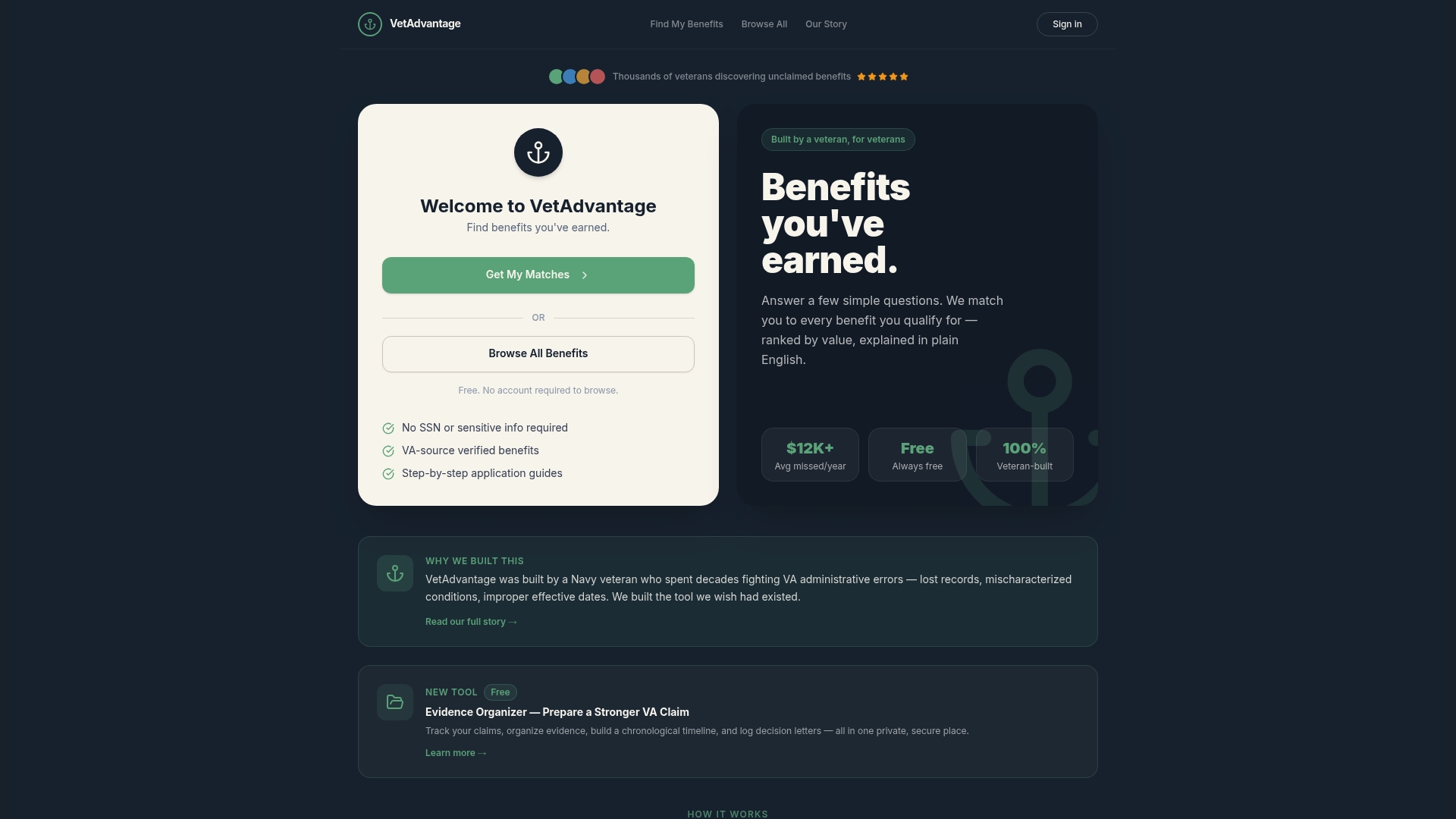
Vetadvantage was built by a Navy veteran who saw firsthand how administrative gaps leave veterans without benefits they earned. The platform matches you with over 400 verified benefits through a short questionnaire, no sensitive personal information required. Use the Benefits Finder tool to see what you qualify for in minutes, or check the hidden benefits page to uncover support linked directly to substance abuse treatment and recovery programs. Veterans using Vetadvantage find an average of over $12,000 in missed benefits per year.
FAQ
Who qualifies for VA substance abuse treatment?
Most veterans enrolled in VA healthcare who have a documented substance use disorder qualify for treatment services. Vet Centers offer a no-enrollment option for combat veterans and MST survivors seeking counseling.
How long does VA inpatient rehab typically last?
Residential inpatient rehab stays average around six weeks, though the VA adjusts duration based on individual clinical needs and progress.
Can veterans access treatment outside the VA system?
Yes. Veterans who live more than 30 minutes from a VA clinic may qualify for Community Care, which covers treatment from local non-VA providers at VA expense, subject to annual reauthorization.
Does VA treatment cover PTSD and addiction at the same time?
Yes. The VA offers specialty co-occurring disorder programs that treat PTSD, trauma, and substance use disorders together, which research shows produces better outcomes than treating each condition separately.
Is VA substance abuse treatment confidential?
Yes. Federal law provides strong confidentiality protections for substance use treatment records. Your employer and military unit do not have access to your treatment information.